Perth, WA
Burst Pipe Water Damage in Perth
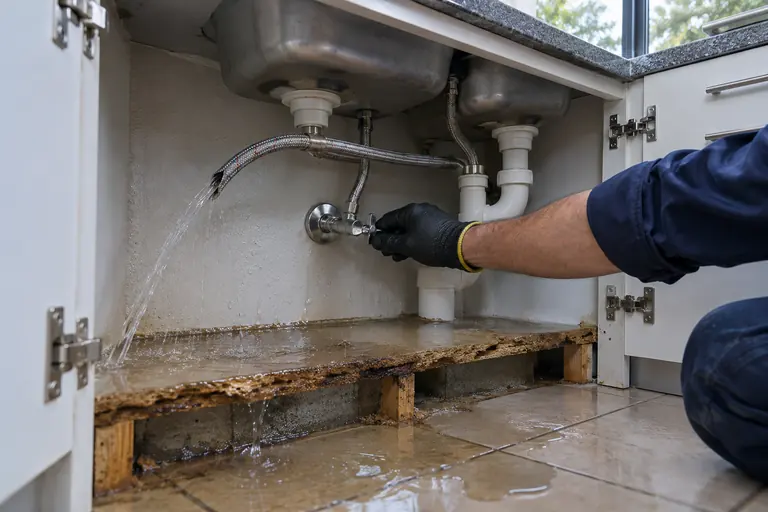
Burst pipe water damage in Perth is one of the most common reasons people call a restorer. A failed flexi hose under a sink, a split copper pipe in a wall or a leaking hot water system can release a lot of water quickly, and concealed leaks can soak walls and floors for weeks before anyone notices.
Once your plumber has stopped and repaired the leak, we extract the water, find out how far it has spread and dry the structure so you are not left with swollen cabinetry, lifting floors or mould.
What to do first
- Turn off the water at the mains. In most Perth homes the stop tap is at the meter near the front boundary.
- Turn off power to any area where water is near outlets or appliances, if you can do so safely.
- Call a plumber to repair the pipe.
- Take photos of the damage and the failed part before it is thrown away. Keep the part.
- Call us to extract and dry, and let your insurer know.
Who pays for the pipe itself depends on where it failed. Water Corporation maintains the water service up to and including the meter outlet; the property owner is responsible for pipes from the meter to the home (Water Corporation).
What's included in burst pipe restoration
- Extraction of standing water and wet carpet
- Moisture mapping to trace how far the water travelled inside walls and under floors
- Thermal imaging to find wet areas behind finished surfaces (where the equipment is used)
- Removal of kickboards, skirting or small sections of plasterboard to dry hidden cavities
- Drying of walls, slabs, cabinetry and floor coverings
- Anti-microbial treatment where moisture has sat long enough to risk mould
- A drying report for your insurer and your repair trades
Signs of a hidden leak
- A higher than usual water bill
- Paint bubbling or flaking near the base of a wall
- Skirting boards or kitchen kickboards swelling
- Floor tiles lifting or grout staying dark
- Timber or laminate floors cupping
- A musty smell in one room or cupboard
- Your water meter still moving with every tap turned off
Our process
- Confirm the leak is fixed. We do not start drying until the plumbing repair is done.
- Map the moisture. Readings taken in a grid outward from the leak until we find dry material on every side.
- Extract and open up. Remove water, then open small access points where moisture is trapped in cavities or behind cabinetry.
- Dry. Dehumidifiers and air movers, with injection drying for wall cavities where needed.
- Monitor and sign off. Readings at each visit, then a final report showing the area is dry and ready for repairs.
Sudden burst or slow leak
| Sudden burst | Slow concealed leak | |
|---|---|---|
| How it shows | Visible water, often a lot of it | Stains, swelling, smell, rising water bill |
| Main risk | Water spreading under walls and floors | Rot and mould inside the wall or cabinetry |
| Typical work | Extraction and structural drying | Opening up, removal of affected material, drying and treatment |
| Insurance note | Often treated as a sudden event | Policies may treat gradual damage differently; check your wording |
What affects the cost
- How long the leak ran before it was found
- Whether water is inside walls, under floors or behind cabinetry
- How much material has to be removed to dry the cavity
- Number of rooms and drying days
Burst pipes in Perth homes
In a double brick home on a slab, the usual Perth construction (UDIA WA), supply pipes run in chases cut into brick or under the slab. When one leaks, water soaks into the brick and spreads along the slab under floor coverings, rather than dripping into a subfloor where you might see it. That is why moisture mapping matters: the wet area is often much bigger than the visible stain.
Why choose us for burst pipe water damage in Perth
Moisture readings, not guesswork
Water travels further than it looks. It wicks up plaster, runs under skirting and soaks into the underlay beneath dry-looking carpet. Every job starts with moisture readings across the affected rooms and the rooms next to them, so we dry what is actually wet and stop when the readings say the structure is dry, not when it feels dry. The IICRC S500 standard, the reference most Australian restorers and insurers work from, sets drying goals by measured moisture rather than by touch.
Paperwork your insurer can use
Most water damage in Perth ends up as an insurance claim, and claims move faster with evidence. We photograph the damage before anything is moved, record the cause, log readings each visit and note what was removed and why. That record matters: the Insurance Council of Australia notes that insurers may assess how water entered a home to decide which part of a policy applies (ICA).
Built around Perth homes
Perth builds differently to the eastern states. Most homes here are double brick on a concrete slab, which means water sits in the cavity and the slab rather than draining through a timber subfloor. Drying a double brick wall or a slab takes different equipment and more time than a stud wall (UDIA WA notes that double brick dominates Perth housing construction). We plan the drying around how your home is actually built.
Burst Pipe Water Damage questions
Who is responsible for a burst pipe in Perth?
Water Corporation maintains the service up to and including the meter outlet. Pipes from the meter to your home, and inside it, are the property owner's responsibility. In strata, check your strata plan and by-laws.
Does insurance cover a burst pipe?
Many home policies cover sudden water escape from a burst pipe, but may not cover the cost of fixing the pipe itself, or damage from a gradual leak. Check your policy and talk to your insurer.
How do you find water inside a wall?
With moisture meters and, where used, thermal imaging. We take readings outward from the leak until we reach dry material in every direction, so the drying plan covers all of the wet area.
Will the wall need to be cut open?
Not always. Small access holes or removing skirting is often enough to dry a cavity. Plasterboard that has swollen, delaminated or been wet with contaminated water is usually replaced.
Related services
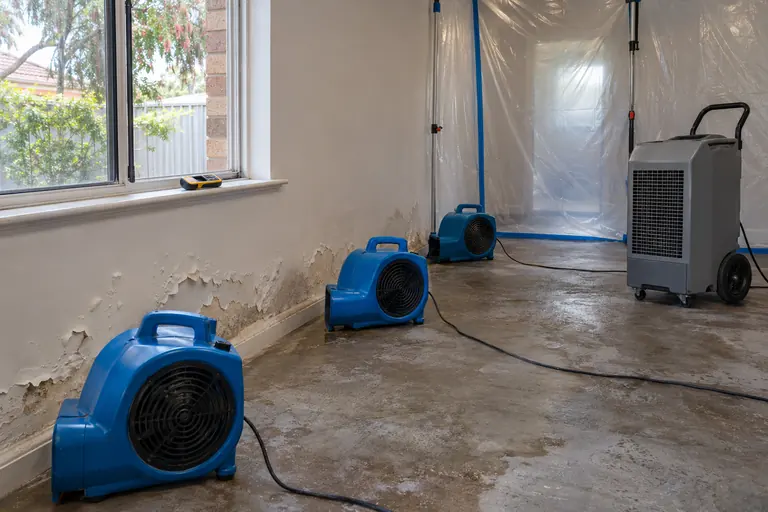
Structural Drying
Dehumidifiers, air movers and cavity drying for slabs, brick walls, cabinetry and ceilings.
Learn more →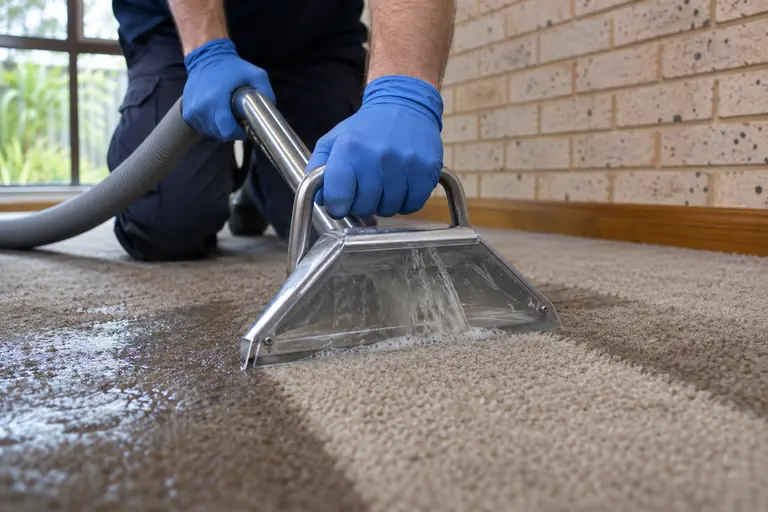
Emergency Water Extraction
Standing water pumped and extracted from floors, carpets and slabs before it soaks in further.
Learn more →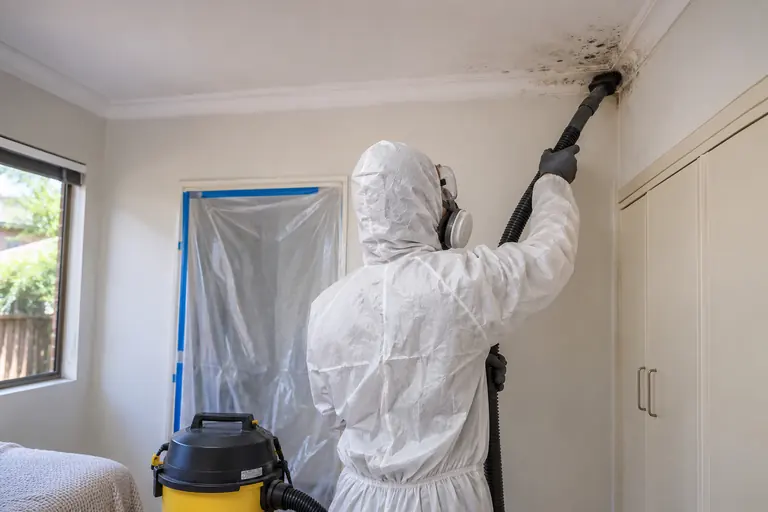
Mould Removal
Mould removal and remediation after leaks and damp, with the moisture source found and fixed.
Learn more →Questions first? See our water damage questions, the insurance claims guide, how we work or contact us.
Got water where it shouldn't be?
Water damage gets worse by the hour. Call now or send your details and we'll call you back.
Call (08) 6263 6253