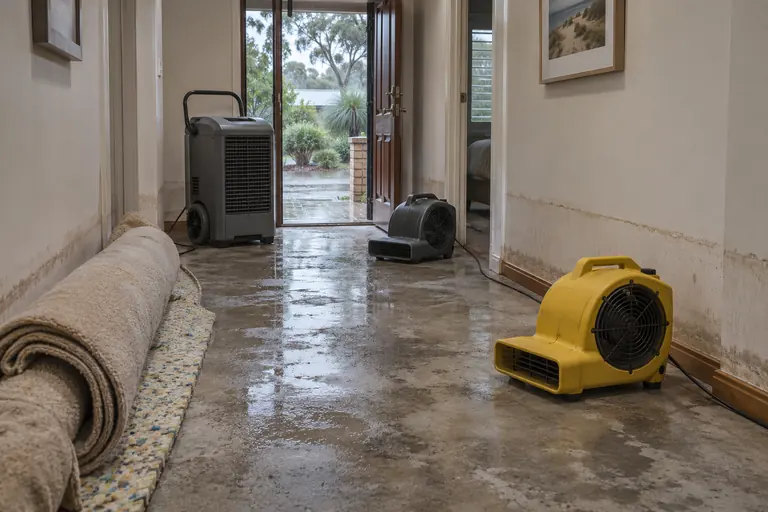
Perth, WA
Flood Damage Restoration in Perth
Flood damage restoration in Perth covers everything from a laundry that has flooded the hallway to stormwater that has come in under the doors. Floodwater from outside is treated as contaminated, so restoration is more than drying: it means removing what cannot be saved, cleaning and sanitising, then drying the structure properly.
We handle the whole sequence, from extraction on the first visit to the final moisture readings that show your home is ready for repairs.
What's included in flood restoration
- Extraction of standing water and saturated carpet
- Removal and disposal of contaminated carpet, underlay, plasterboard and skirting where needed
- Cleaning and antimicrobial treatment of affected surfaces
- Structural drying of slabs, brick walls, cabinetry and wall cavities
- Odour control
- Contents moved, blocked up or packed out where needed
- A documented record of the damage, work and readings for your insurer
When flood damage needs a restorer
- Water has come in from outside: overland flow, a blocked stormwater drain or rain driven under doors
- Water has been sitting for more than a day
- There is a musty smell, or carpet feels damp after it looks dry
- Plasterboard is soft, swollen or bubbling at the base
- Kitchen kickboards, vanities or robes have swollen
- Someone in the home has asthma, allergies or a weakened immune system
Our flood restoration process
- Safety first. Check power, structural safety and the water category. Floodwater from outside is handled as contaminated.
- Document. Photograph every affected room before removal, and record where the water came from.
- Extract and remove. Extract water, then strip contaminated porous materials. Items are listed before disposal so your insurer has a record.
- Clean and sanitise. Hard surfaces cleaned and treated, including the slab and the base of walls.
- Dry. Dehumidifiers and air movers run until readings reach dry standard. Cavities may be opened or vented to dry.
- Sign off. Final readings recorded so builders, flooring and painters can start repairs on a dry structure.
Flood or storm: why the wording matters
Australian home insurance uses a standard definition of flood, introduced in June 2012: water escaping or released from the normal confines of a lake, river, creek or other natural watercourse, or a reservoir, canal or dam (Insurance Council of Australia). Rainwater running across the ground and into your home may fall under storm cover instead. There is no standard definition of storm, so each insurer defines it in its own policy wording (CHOICE).
That is why we record the source of the water carefully. We do not decide your claim, but a clear record of how the water got in helps your insurer assess it.
What affects the cost of flood restoration
- Total area affected and the number of rooms
- Water category and how long it sat
- How much material has to be removed (carpet, underlay, plasterboard, cabinetry)
- Contents handling: moving, cleaning or packing out
- Drying time, which is longer for slabs and double brick walls
We give a written scope before starting, and can work with your insurer's assessor.
Flooding in Perth
Perth floods are usually storm driven rather than river floods. Heavy falls overwhelm gutters, box gutters and street drains, and water comes in through doors, roofs and walls. In July 2021, Perth Metro recorded 271.4 mm, its second-wettest July at that site, and the Perth Hills recorded up to 400 to 460 mm (Bureau of Meteorology). On 5 June 2023, Perth Metro recorded 71.2 mm in a single day, its highest June daily fall in 37 years (BoM). Short, intense bursts like these are when stormwater systems back up.
Why choose us for flood damage restoration in Perth
Moisture readings, not guesswork
Water travels further than it looks. It wicks up plaster, runs under skirting and soaks into the underlay beneath dry-looking carpet. Every job starts with moisture readings across the affected rooms and the rooms next to them, so we dry what is actually wet and stop when the readings say the structure is dry, not when it feels dry. The IICRC S500 standard, the reference most Australian restorers and insurers work from, sets drying goals by measured moisture rather than by touch.
Paperwork your insurer can use
Most water damage in Perth ends up as an insurance claim, and claims move faster with evidence. We photograph the damage before anything is moved, record the cause, log readings each visit and note what was removed and why. That record matters: the Insurance Council of Australia notes that insurers may assess how water entered a home to decide which part of a policy applies (ICA).
Built around Perth homes
Perth builds differently to the eastern states. Most homes here are double brick on a concrete slab, which means water sits in the cavity and the slab rather than draining through a timber subfloor. Drying a double brick wall or a slab takes different equipment and more time than a stud wall (UDIA WA notes that double brick dominates Perth housing construction). We plan the drying around how your home is actually built.
Flood Damage Restoration questions
Is floodwater dangerous?
Floodwater from outside should be treated as contaminated because it can carry sewage, soil bacteria and chemicals. Avoid contact where you can, wear gloves and boots, and keep children and pets out of affected rooms.
What can be saved after a flood?
Hard, non-porous items such as tiles, metal, glass and sealed timber can usually be cleaned and kept. Carpet, underlay, mattresses and plasterboard soaked by contaminated water are usually removed. We assess item by item and record what goes.
How long does flood restoration take?
It depends on how much water came in, how long it sat and what the house is built from. Drying a slab and double brick walls takes longer than drying a timber-framed room. We take readings at each visit and only sign off when they show the structure is dry.
Will insurance cover flood damage?
It depends on your policy. Some policies include flood, some exclude it, and rainwater runoff may be treated as storm damage. Check your product disclosure statement and speak to your insurer. We can provide photos and readings to support your claim.
Related services
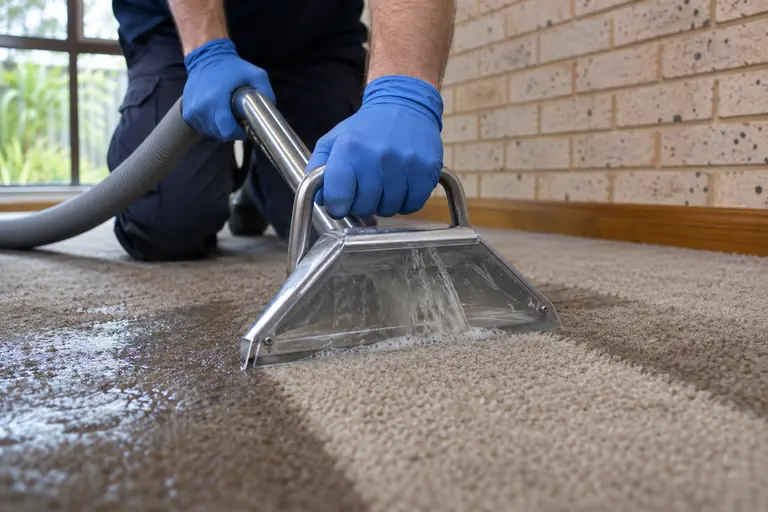
Emergency Water Extraction
Standing water pumped and extracted from floors, carpets and slabs before it soaks in further.
Learn more →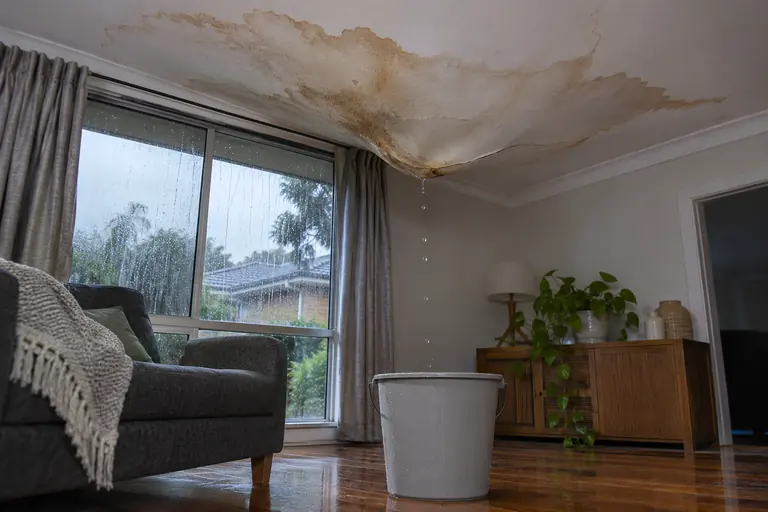
Storm Damage and Roof Leaks
Ceiling, wall and carpet drying after storms, overflowing gutters and roof leaks.
Learn more →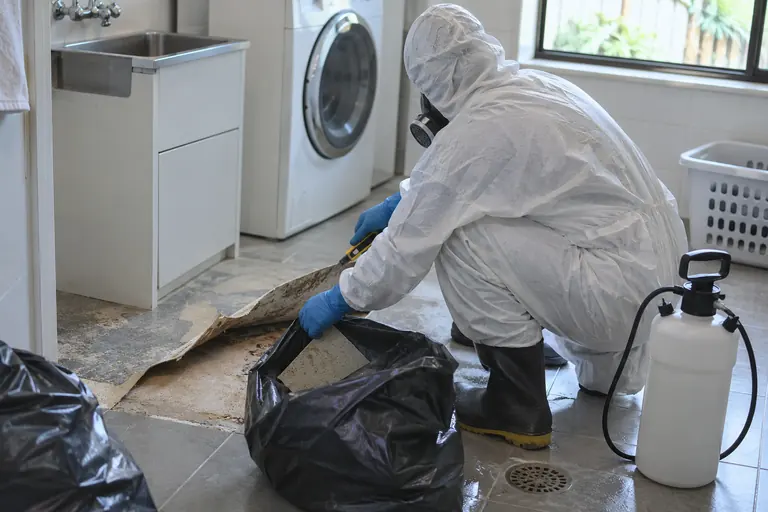
Sewage Cleanup
Category 3 cleanup after sewer backups and toilet overflows, done safely with PPE and sanitising.
Learn more →Questions first? See our water damage questions, the insurance claims guide, how we work or contact us.
Got water where it shouldn't be?
Water damage gets worse by the hour. Call now or send your details and we'll call you back.
Call (08) 6263 6253