Perth, WA
Mould Removal in Perth
Mould removal in Perth only lasts if the moisture causing it is fixed. Wiping off the visible spots without dealing with the leak, the damp wall or the condensation means the mould comes back, usually in the same place.
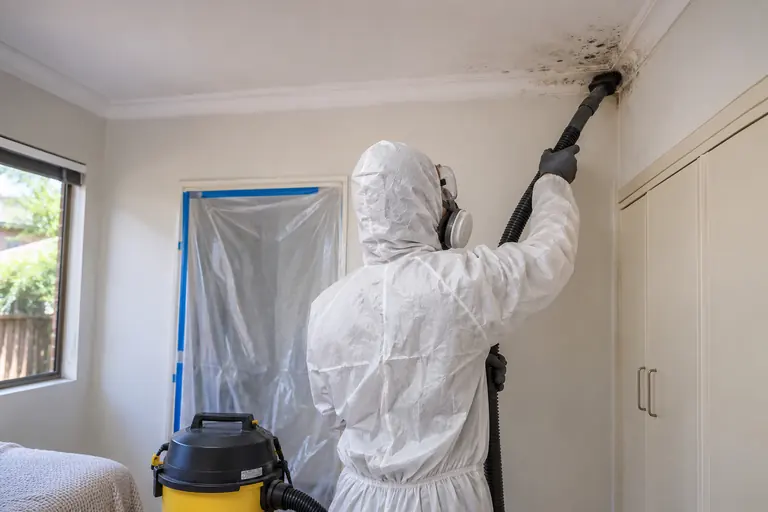
We find the moisture source, contain the area, physically remove the mould, dry the materials and treat surfaces, so you are not repainting over the same problem next winter.
What's included in mould remediation
- Inspection to find the moisture source: leak, rising or lateral damp, roof leak, condensation or poor ventilation
- Moisture readings to find hidden damp behind plasterboard, under carpet and in cupboards
- Containment to stop spores spreading to clean rooms
- Physical removal of mould from hard surfaces and HEPA vacuuming
- Removal of porous materials that cannot be cleaned (some plasterboard, carpet, underlay)
- Drying of the affected structure
- Advice on ventilation and preventing regrowth, and referral to a plumber, roofer or builder for the source repair
When to call a professional
WA Health advises that small patches on hard surfaces can be scrubbed off with soapy water, working about 50 cm beyond the visible edge, then dried, while large, recurring or hidden mould calls for professional help (Healthy WA). Call us when:
- The mould covers a large area or keeps coming back after cleaning
- There is a musty smell but you cannot see the source
- Mould is growing after a leak, flood or burst pipe
- It is on carpet, plasterboard, furniture or inside cupboards
- Someone in the home has asthma, allergies or a lung condition
Our mould removal process
- Find the moisture. Readings and inspection to identify why the area is damp.
- Contain. Plastic sheeting and controlled airflow so spores are not pushed into clean areas.
- Remove. Physically remove mould from hard surfaces. Scrubbing and HEPA vacuuming matter more than chemicals.
- Strip what can't be cleaned. Porous materials with mould growth through them are bagged and removed.
- Dry and treat. Dry the structure to normal moisture levels and treat cleaned surfaces.
- Prevent. Recommendations on the source repair, ventilation and humidity.
Mould cleaning options compared
| Approach | Works for | Limits |
|---|---|---|
| DIY scrub with soapy water | Small patches on tiles, glass, painted walls | Does not fix the moisture source or hidden mould |
| Spray-on products | Surface stains | Often bleach the colour without removing growth; regrowth likely |
| Professional remediation | Large, hidden or recurring mould; mould after water damage | Costs more; source repair may still need another trade |
Do you need mould testing?
Usually not. WA Health's position is that mould sampling is not needed to decide whether there is a health risk; any mould or dampness should be treated as a potential risk and fixed promptly (Healthy WA). Testing can be useful for specific situations, such as a dispute or a sensitive occupant, and we will tell you if we think it is worth it.
Renting? Who is responsible
Consumer Protection WA describes mould in rentals as a joint effort between tenant and landlord (Consumer Protection WA). WA Health notes owners are responsible for mould caused by structural faults or leaks, while tenants should ventilate and avoid creating excess moisture (Healthy WA). We work for owners, property managers and tenants and can provide a written report on the likely cause.
What affects the cost
- Area affected and how many rooms
- Whether mould is on the surface or through materials
- Amount of material that has to be removed
- Containment needed
- Drying required after removal
Mould in Perth homes
Perth's mould season is winter. Rain, cool nights and closed windows push indoor humidity up, and double brick walls on slabs (the usual Perth build, per UDIA WA) can hold moisture after a leak or rising damp. Common spots are bathroom ceilings, south-facing bedrooms, built-in robes on external walls and behind furniture pushed against cold walls.
Why choose us for mould removal in Perth
Moisture readings, not guesswork
Water travels further than it looks. It wicks up plaster, runs under skirting and soaks into the underlay beneath dry-looking carpet. Every job starts with moisture readings across the affected rooms and the rooms next to them, so we dry what is actually wet and stop when the readings say the structure is dry, not when it feels dry. The IICRC S500 standard, the reference most Australian restorers and insurers work from, sets drying goals by measured moisture rather than by touch.
Paperwork your insurer can use
Most water damage in Perth ends up as an insurance claim, and claims move faster with evidence. We photograph the damage before anything is moved, record the cause, log readings each visit and note what was removed and why. That record matters: the Insurance Council of Australia notes that insurers may assess how water entered a home to decide which part of a policy applies (ICA).
Built around Perth homes
Perth builds differently to the eastern states. Most homes here are double brick on a concrete slab, which means water sits in the cavity and the slab rather than draining through a timber subfloor. Drying a double brick wall or a slab takes different equipment and more time than a stud wall (UDIA WA notes that double brick dominates Perth housing construction). We plan the drying around how your home is actually built.
Mould Removal questions
Is mould dangerous?
WA Health links mould exposure to asthma attacks, itchy or watery eyes, respiratory infections, skin rashes and sinus problems. People with mould allergies or chronic lung disease are at higher risk. See your GP if you have symptoms you think are mould-related.
Should I use bleach on mould?
WA Health advises physically scrubbing mould off hard surfaces with soapy water, because removing the mould is what prevents regrowth. Outdoor fungicides should not be used indoors. Large or recurring mould needs the moisture source fixed.
Will mould come back after removal?
It will if the moisture source is not fixed. That is why we start by finding why the area is damp, and why we dry the structure after removal.
Do I need to move out during mould removal?
Usually not. We contain the work area so the rest of the home can be used. If someone in the home is very sensitive to mould, we may suggest they stay away from the work area until it is finished.
Related services
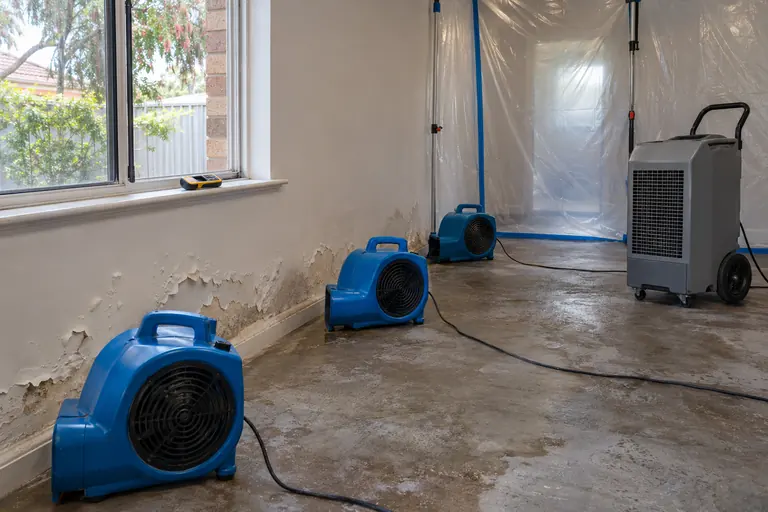
Structural Drying
Dehumidifiers, air movers and cavity drying for slabs, brick walls, cabinetry and ceilings.
Learn more →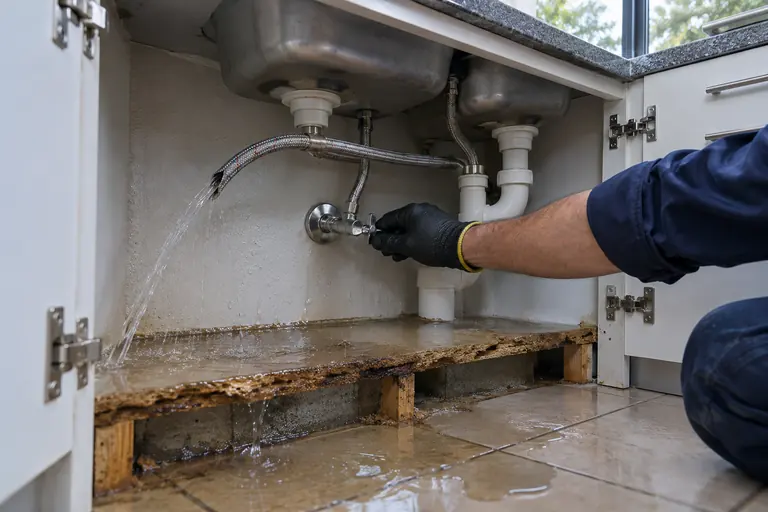
Burst Pipe Water Damage
Drying and repair prep after burst supply pipes, leaking flexi hoses and hot water system failures.
Learn more →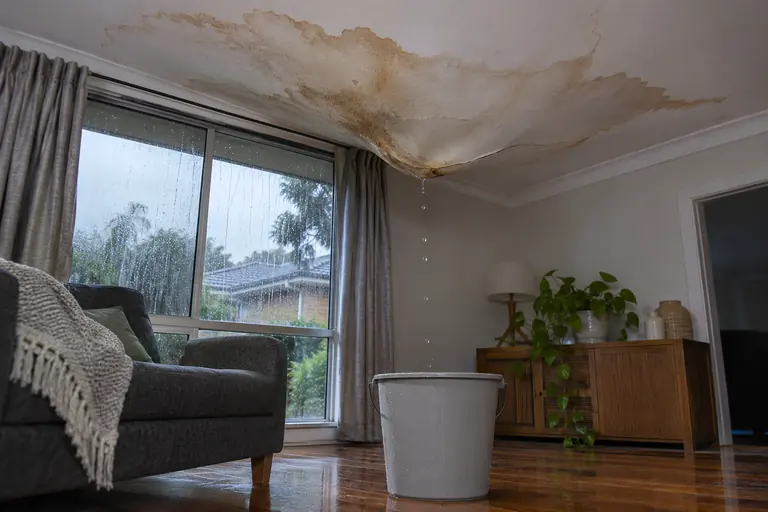
Storm Damage and Roof Leaks
Ceiling, wall and carpet drying after storms, overflowing gutters and roof leaks.
Learn more →Questions first? See our water damage questions, the insurance claims guide, how we work or contact us.
Got water where it shouldn't be?
Water damage gets worse by the hour. Call now or send your details and we'll call you back.
Call (08) 6263 6253