Perth, WA
Sewage Cleanup in Perth
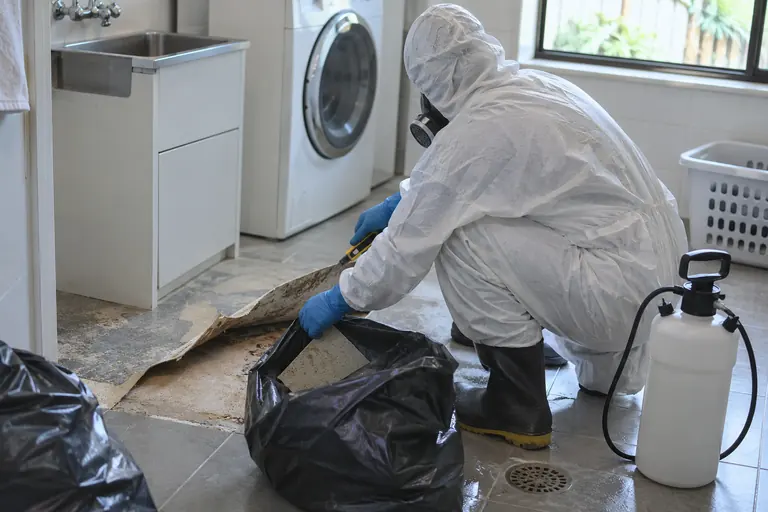
Sewage cleanup in Perth is Category 3 work under the IICRC S500 standard, the highest contamination level. Sewage carries bacteria, viruses and parasites, so it needs to be removed safely, porous materials disposed of and every surface cleaned and sanitised before drying starts.
We handle overflows from toilets, floor wastes and sewer backups in homes, strata and commercial premises.
What to do before we arrive
- Keep everyone, especially children and pets, away from the affected area
- Stop using toilets, sinks, showers and the washing machine if the sewer is backing up
- Do not try to vacuum sewage with a household vacuum
- Turn off the air conditioning if it draws air from the affected area
- Call a licensed plumber to clear the blockage
- Take photos for your insurer from a safe distance
What's included
- Safe removal of sewage and contaminated water by technicians in protective equipment
- Removal and disposal of contaminated carpet, underlay, plasterboard and other porous materials
- Cleaning and sanitising of hard surfaces, slab and wall bases
- Structural drying after cleaning
- Odour control
- Records for your insurer, including a list of disposed items
Our process
- Isolate. Section off the affected area and protect clean rooms and walkways.
- Remove. Extract sewage and remove contaminated porous materials.
- Clean. Clean all hard surfaces to remove residue. Sanitiser does not work on dirty surfaces, so cleaning comes first.
- Sanitise. Apply antimicrobial treatment to cleaned surfaces.
- Dry. Structural drying with dehumidifiers and air movers.
- Check. Final inspection and readings before repairs start.
Sewage sources compared
| Source | Category | Usual approach |
|---|---|---|
| Toilet overflow, clean bowl water | Category 1 or 2 | Extract, clean, sanitise, dry |
| Toilet overflow with waste | Category 3 | Porous materials removed; full clean and sanitise |
| Sewer backup through floor waste or shower | Category 3 | Porous materials removed; full clean and sanitise |
| Grey water (washing machine) | Category 2 | Underlay replaced; carpet cleaned and sanitised |
What affects the cost
- Area affected
- Amount of porous material to remove and dispose of
- Access: ground floor, upper floor or apartment
- Drying required after cleaning
Sewage overflows in Perth
Water Corporation maintains the wastewater service up to the property connection; pipes from the connection point to the house are the owner's responsibility (Water Corporation). Common causes of household backups are tree roots in older clay sewer lines, wipes and fats in the line, and heavy rain getting into the sewer through damaged pipes or illegal stormwater connections.
Why choose us for sewage cleanup in Perth
Moisture readings, not guesswork
Water travels further than it looks. It wicks up plaster, runs under skirting and soaks into the underlay beneath dry-looking carpet. Every job starts with moisture readings across the affected rooms and the rooms next to them, so we dry what is actually wet and stop when the readings say the structure is dry, not when it feels dry. The IICRC S500 standard, the reference most Australian restorers and insurers work from, sets drying goals by measured moisture rather than by touch.
Paperwork your insurer can use
Most water damage in Perth ends up as an insurance claim, and claims move faster with evidence. We photograph the damage before anything is moved, record the cause, log readings each visit and note what was removed and why. That record matters: the Insurance Council of Australia notes that insurers may assess how water entered a home to decide which part of a policy applies (ICA).
Built around Perth homes
Perth builds differently to the eastern states. Most homes here are double brick on a concrete slab, which means water sits in the cavity and the slab rather than draining through a timber subfloor. Drying a double brick wall or a slab takes different equipment and more time than a stud wall (UDIA WA notes that double brick dominates Perth housing construction). We plan the drying around how your home is actually built.
Sewage Cleanup questions
Can I clean up sewage myself?
Small, clean toilet overflows on tiles can be cleaned with gloves, detergent and disinfectant. Anything involving waste, carpet, or more than a small area should be handled by professionals because of the health risk.
Does carpet have to be thrown out after sewage?
Yes, in almost all cases. Carpet and underlay soaked by sewage cannot be reliably decontaminated and are removed and disposed of.
Who pays to fix the sewer blockage?
Water Corporation maintains the wastewater service up to the property connection. Blockages on your side of the connection are generally the owner's responsibility. Your plumber can tell you where the blockage is.
Is sewage damage covered by insurance?
Many policies cover sudden overflows, but cover varies. Take photos and contact your insurer. We can provide a record of the cause, the work and the items disposed of.
Related services
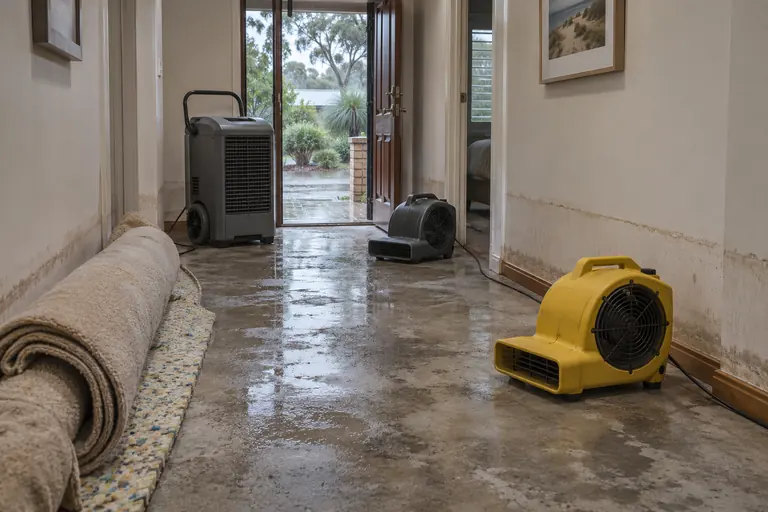
Flood Damage Restoration
Full clean-up and restoration after floodwater, storm runoff or major internal flooding.
Learn more →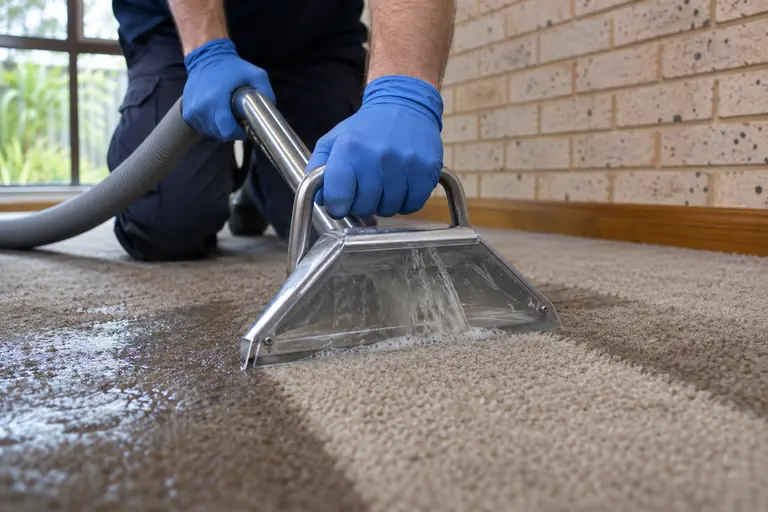
Emergency Water Extraction
Standing water pumped and extracted from floors, carpets and slabs before it soaks in further.
Learn more →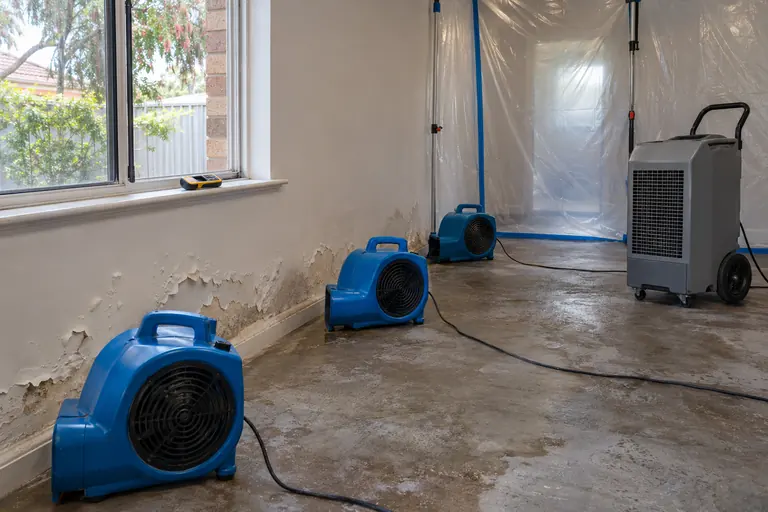
Structural Drying
Dehumidifiers, air movers and cavity drying for slabs, brick walls, cabinetry and ceilings.
Learn more →Questions first? See our water damage questions, the insurance claims guide, how we work or contact us.
Got water where it shouldn't be?
Water damage gets worse by the hour. Call now or send your details and we'll call you back.
Call (08) 6263 6253